


Table of Contents:
- Introduction: The Power of Colour in Indian Homes
- Key Elements to Consider Before Choosing a Colour Scheme
- Cultural Significance of Colours in India
- Lighting and Room Size Considerations
- Traditional vs. Contemporary Styles
- Simple Indian House Colour Schemes
- Warm Earthy Tones
- Vibrant Hues for the Living Room
- Soft Pastels for Bedrooms
- Bold Accents for Kitchens
- Neutral Tones for Bathrooms
- Popular Indian Colour Combinations
- Red and Gold: Royal Elegance
- Yellow and Green: A Fresh, Vibrant Look
- Blue and White: A Tranquil Escape
- Beige and Brown: Warmth and Simplicity
- Terracotta and Cream: Earthy Charm
- How to Use Traditional Indian Colours in a Modern Setting
- Incorporating Rajasthani Colours
- Mughal Inspired Colour Combinations
- Using Handcrafted Textiles for Pops of Colour
- Colour Schemes for Different Types of Indian Homes
- Urban Apartments
- Rural Homes and Villages
- Traditional Haveli or Mansion Style Homes
- Tips for Using Colour to Enhance Space and Light
- Maximizing Natural Light
- Creating the Illusion of Space with Colour
- Colour Psychology in the Home
- Common Mistakes to Avoid When Choosing Colours
- Conclusion: Bringing Together Simplicity and Elegance in Colour Choices
1. Introduction: The Power of Colour in Indian Homes
Colour plays a central role in Indian homes, whether you are drawn to the rich and vibrant shades often found in traditional spaces or the more subdued tones that define modern interiors. Indian house colour schemes reflect the country’s deep cultural roots, while also embracing contemporary influences. The right colour palette can elevate the aesthetics of your home, making it feel inviting, warm, and harmonious.
2. Key Elements to Consider Before Choosing a Colour Scheme
Cultural Significance of Colours in India
In Indian culture, each colour holds symbolic meaning. For instance, red is considered a lucky and auspicious colour, often used for weddings and celebrations, while white represents purity and simplicity. Yellow is thought to bring positivity and happiness, making it a popular choice for homes. Understanding the cultural context behind each colour can help in choosing the right palette for your home.
Lighting and Room Size Considerations
When choosing a colour scheme, lighting and room size play important roles. Lighter shades can make small rooms feel larger and airier, while darker tones are better suited for spacious areas, creating a cozy and intimate atmosphere. Always consider the natural and artificial light in the room to determine how colours will look throughout the day.
Traditional vs. Contemporary Styles
Indian homes traditionally embrace bold, warm colours and intricate patterns. However, with modern design trends, there has been a shift towards more minimalist, neutral tones. Whether you’re looking for traditional vibrancy or a more understated, contemporary feel, selecting the right scheme is key to creating the perfect atmosphere.
3. Simple Indian House Colour Schemes
Warm Earthy Tones
Earthy colours like terracotta, ochre, and burnt sienna are commonly used in Indian homes to create a grounded and cozy environment. These colours are perfect for living rooms or entryways, where you want to welcome guests with warmth and comfort. You can complement earthy tones with natural wooden furniture and Indian textiles to enhance the rustic feel.
Vibrant Hues for the Living Room
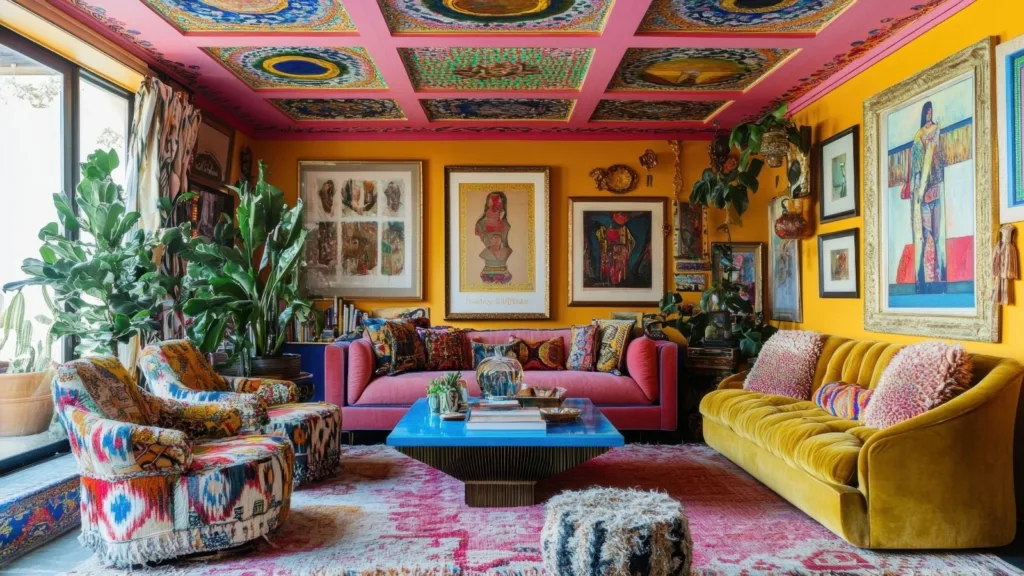
Bright, lively colours like red, yellow, and orange are often used in the Indian living room. These hues add a sense of energy and joy to the space, reflecting the dynamic nature of Indian culture. You can tone down the intensity of these colours with neutral or complementary shades for furniture and décor.
Soft Pastels for Bedrooms
For bedrooms, soft pastels like light blue, peach, and lavender create a calming and serene atmosphere. These subtle colours promote relaxation and are perfect for a restful sleep. They can also be combined with white or beige walls for a clean, tranquil vibe.
Bold Accents for Kitchens
In kitchens, bold and bright colours such as red, yellow, or green work wonders in creating a vibrant atmosphere. These colours are believed to stimulate appetite and energy, making them ideal for cooking spaces. A bold backsplash or feature wall in the kitchen can make a big impact without overwhelming the space.
Neutral Tones for Bathrooms
For bathrooms, neutral shades like white, beige, or soft grey provide a clean, calming environment. These colours not only create a soothing ambiance but also make the space look larger and more open. You can add texture with tiles, stone features, or wooden accents for a touch of elegance.
4. Popular Indian Colour Combinations
Red and Gold: Royal Elegance
This classic combination of red and gold is frequently seen in Indian homes, especially in living rooms or puja rooms. Red symbolizes passion and energy, while gold adds a touch of luxury and grandeur. Together, they create a regal atmosphere.
Yellow and Green: A Fresh, Vibrant Look
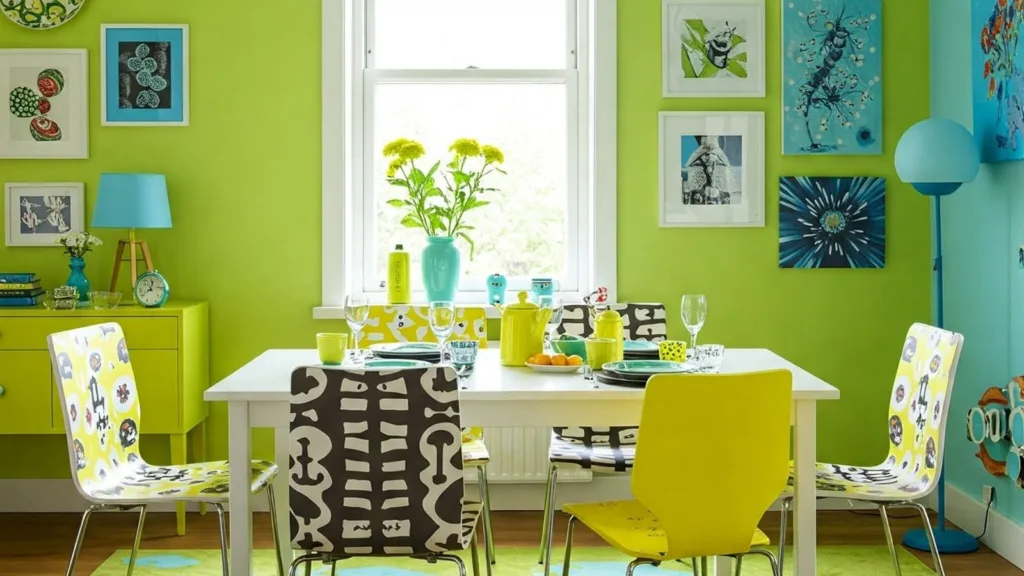
Yellow and green are often associated with nature, prosperity, and freshness in Indian culture. This vibrant combination works well in kitchens or dining areas, infusing the space with energy and positivity.
Blue and White: A Tranquil Escape
A blue and white palette creates a peaceful and refreshing atmosphere, perfect for bedrooms or bathrooms. Blue symbolizes calmness, and white adds a sense of purity. This combination also works beautifully in coastal-inspired homes or spaces aiming for a minimalist aesthetic.
Beige and Brown: Warmth and Simplicity
Beige and brown are timeless, neutral shades that create a warm and inviting space. This combination works especially well in living rooms, creating a harmonious and understated elegance. The use of wooden accents further enhances the earthy vibe.
Terracotta and Cream: Earthy Charm
Terracotta paired with creamy white or off-white tones gives an earthy, natural feel. This combination is perfect for homes that incorporate traditional Indian designs, like in rural or farmhouse-style homes. Terracotta adds warmth, while cream provides balance and lightness.
5. How to Use Traditional Indian Colours in a Modern Setting
Incorporating Rajasthani Colours
Rajasthani homes are known for their bold use of colour, often combining bright oranges, reds, and yellows with intricate woodwork and textiles. In a modern setting, these colours can be used for accent walls or décor items, while the rest of the space remains neutral to balance the intensity.
Mughal Inspired Colour Combinations
Mughal-inspired colours such as deep indigos, golds, and jewel tones can be used sparingly in modern homes for a luxurious feel. These shades work well in spaces like the dining room or hallway, where you want to make a statement.
Using Handcrafted Textiles for Pops of Colour
Incorporating handcrafted textiles such as block-printed cushions, rugs, and drapes is a wonderful way to add traditional Indian colours to modern interiors. These textiles bring texture and vibrancy to neutral walls and furniture.
6. Colour Schemes for Different Types of Indian Homes
Urban Apartments
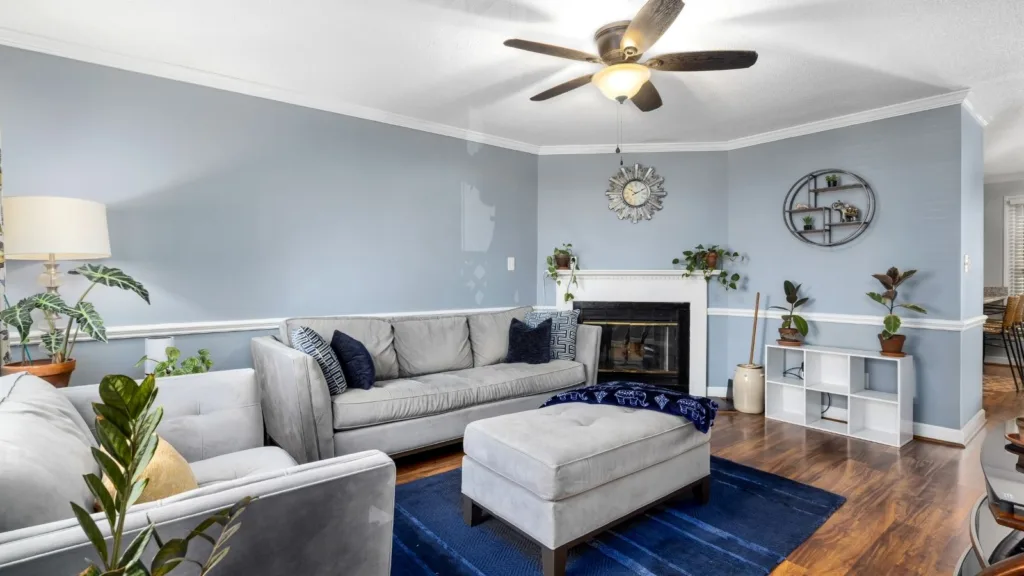
Urban apartments in India typically feature more minimalist designs, with neutral or pastel colour schemes. Light greys, whites, and beiges are used to make spaces feel larger and airier.
Rural Homes and Villages
In rural settings, Indian homes often embrace earthy tones and vibrant colours, like terracotta, mustard yellow, or red. These homes may feature ornate woodwork and traditional textiles, reflecting local crafts.
Traditional Haveli or Mansion Style Homes
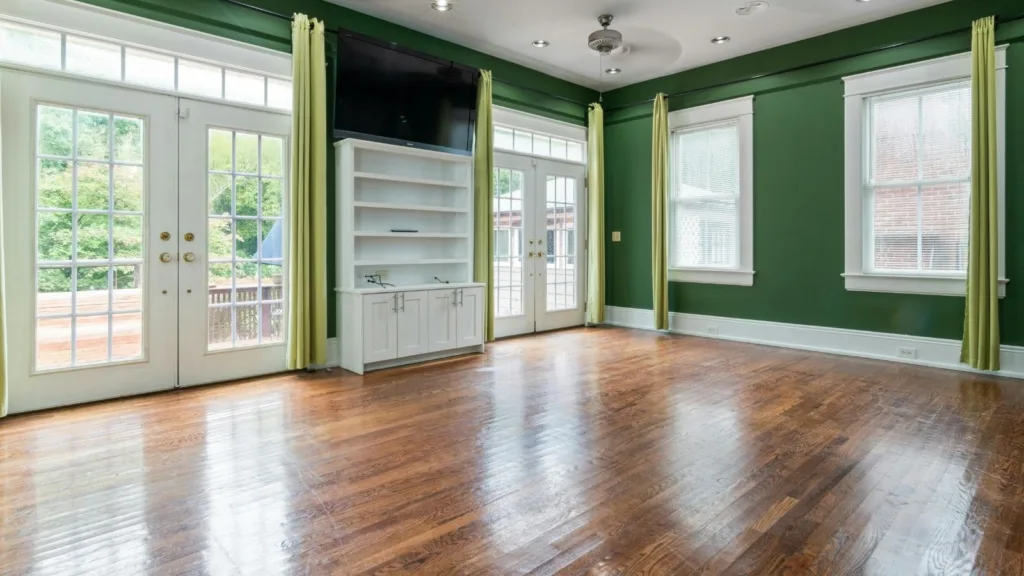
In traditional haveli or mansion-style homes, rich and deep colours like maroon, gold, and dark green dominate. These homes feature ornate detailing, heavy drapes, and luxurious accents.
7. Tips for Using Colour to Enhance Space and Light
Maximizing Natural Light
Lighter shades like white, off-white, and pale pastels reflect light, making a room feel brighter and more expansive. Use these colours in rooms with limited natural light.
Creating the Illusion of Space with Colour
In small spaces, soft colours like light blues, greens, and pastels can help create the illusion of space, making a room feel larger and more open.
Colour Psychology in the Home
Different colours evoke different moods. For example, blues and greens promote calm and relaxation, while yellows and oranges stimulate energy and creativity. Understanding the psychological impact of colour is key to creating a balanced and harmonious home.
8. Common Mistakes to Avoid When Choosing Colours
- Overusing Bold Colours: While bold hues are striking, too many can overwhelm a room. Use them as accents rather than dominant colours.
- Ignoring Lighting: Colours can appear differently under natural and artificial light, so test them in the space before finalizing your choice.
- Neglecting Functionality: Ensure that your colour choices suit the function of the room—what works in a living room might not be ideal for a bedroom.
9. Conclusion: Bringing Together Simplicity and Elegance in Colour Choices
Choosing the right colour scheme for your Indian home doesn’t have to be complicated. By embracing a mix of traditional and modern hues, you can create a space that reflects your personality, heritage, and lifestyle. Whether you opt for vibrant tones or neutral shades, the key is to balance the elements of colour, light, and design to craft a home that feels both welcoming and beautiful.